Airport Transfers
Embarking on a journey often brings a mix of excitement and anxiety, with the logistical challenge of reaching the terminal frequently topping the list of stressors. Think of your airport transfer not merely as a simple taxi ride, but as the critical bridge connecting your controlled home environment to the highly regulated ecosystem of the departure lounge. A successful transit strategy requires far more than simply hailing a vehicle; it demands an understanding of peak hour dynamics, sprawling terminal layouts, and the hidden pitfalls of last-minute arrangements.
Whether you are navigating the early morning rush at a major transport hub or deciphering the complexities of return-leg pickups after a long-haul flight, mastering your ground transportation is essential. This comprehensive resource explores the intricate mechanics of airport transfers, providing you with the knowledge to make informed decisions. By understanding the underlying systems of the transport industry, you can transform a typically tense experience into a seamless extension of your travel itinerary.
Choosing the Right Booking Strategy: Pre-Booking Versus On-Demand
The fundamental choice in securing your transport lies between reserving in advance and requesting a vehicle at the exact moment of need. Each approach carries distinct advantages and risks, heavily influenced by the time of day, the specific departure hub, and wider market demand.
Navigating Price Surges and Peak Hours
On-demand applications have revolutionised personal transport, offering unparalleled convenience. However, they operate on dynamic pricing models dictated by real-time supply and demand. This mechanism is much like a stock market; when demand skyrockets, the algorithmic cost adjusts accordingly. For instance, attempting to secure a vehicle on a Monday morning—a peak time for corporate travel—can result in on-demand prices surging dramatically, sometimes by as much as 200%.
During these critical windows, particularly around busy regional hubs like Stansted, relying on immediate dispatch can cost you both financially and temporally. Pre-booking locks in your rate and secures a driver in advance, shielding you from algorithmic price spikes and ensuring that your morning transfer is guaranteed, even when requested seven days ahead of time.
Apps Versus Specialist Agencies for Reliability
When scheduling a crucial 4 AM pickup, reliability is paramount. The decision between a mainstream ride-hailing app and a specialist transport agency often dictates whether you make your flight or find yourself stranded due to a last-minute booking error.
- Specialist Agencies: These operators typically assign drivers to pre-booked schedules well in advance. They monitor flight patterns and often penalise drivers for dropping a highly important airport run, making them exceptionally reliable for unsociable hours.
- Ride-Hailing Apps: While excellent for casual travel, the automated dispatch system means a driver can cancel your early morning request at the last minute if a more lucrative fare appears, leaving you vulnerable to immediate regional vehicle shortages.
Calculating the Perfect Departure Buffer for Your Flight
Arriving at the terminal with ample time requires reverse-engineering your journey from the moment the aircraft doors close. Many travellers fall into the trap of underestimating the cumulative minor delays that occur before ever reaching the security checkpoint.
Deciphering True Bag Drop and Check-In Deadlines
A common misconception involves the advertised deadlines provided by airlines. When a carrier states that the bag drop closes strictly 60 minutes before departure, aiming for that exact cutoff is highly risky. In reality, queuing systems, staff shortages, or simple technical glitches mean you should always factor in an operational buffer. Arriving 75 to 90 minutes before the bag drop closure ensures you are not caught out by an unexpected rush.
Furthermore, choosing between a mobile boarding pass and a printed ticket can marginally impact your speed through the terminal. If you are running late, a mobile pass allows you to bypass the printing kiosks entirely, provided your device is sufficiently charged and the screen is legible for the scanners.
Factoring in Weather Conditions and Traffic Delays
Meteorological variables play a massive role in ground transit times. Rain, frost, or fog do not merely slow down your specific vehicle; they reduce the overall speed of the entire road network. When planning your departure, follow this sequential approach to calculate your safe departure time:
- Identify the absolute final boarding time for your specific flight.
- Add a standard 120-minute buffer for short-haul or a 180-minute buffer for long-haul flights (such as those departing from Manchester).
- Check the standard travel time via a reliable mapping service.
- Add a 25% time contingency for adverse weather or known traffic bottlenecks.
Optimising Your Drop-Off for a Shorter Walk to Check-In
A surprisingly common cause of missed flights—accounting for up to 15% of such incidents at sprawling complexes like Heathrow—is arriving at the incorrect drop-off zone or terminal building. Always verify your departure terminal directly with the airline rather than relying solely on third-party booking confirmations. When your driver approaches the airport, request to be dropped at the designated zone closest to your specific airline’s check-in desks. A short conversation with an experienced driver can save you a frantic sprint across a crowded concourse.
Securing Your Return Leg: Pickup Slots and Arrival Delays
The return journey presents a unique set of challenges. Unlike a departure where you control when you leave your home, an arrival is subject to airspace congestion, holding patterns, and the unpredictable nature of border control.
Fixed Time Versus Flight Landing Time Options
When securing your transport from the arrivals hall, you generally face two distinct booking options regarding timing:
- Fixed Time: You specify an exact time for the driver to arrive. This is risky if your flight is delayed or if you clear customs much faster than anticipated.
- Flight Landing Time: The driver tracks your specific flight number and adjusts their arrival based on the actual touchdown. This is widely considered the safer option for international arrivals.
Even with flight tracking, deciding when to finalise your return leg booking—whether before departure or upon landing—depends heavily on the time of day. For late-night arrivals, pre-booking guarantees a vehicle is waiting when local public transport networks have ceased operating.
Managing Customs and Passport Control Delays
Once the aircraft wheels touch the tarmac, the clock begins ticking. However, clearing the border is notoriously variable. For example, passport control at major hubs like Gatwick often experiences severe bottlenecks on Sunday evenings due to a high volume of returning weekend travellers. If customs takes two hours to navigate, a rigidly booked transfer may expire.
When booking for non-EU arrivals or long-haul flights where border checks are inherently more stringent, always communicate your citizenship status to the booking agency. They can calculate a more accurate pickup slot and recommend an extended grace period before the driver expects you in the arrivals hall.
Effective Driver Communication to Avoid Waiting Charges
A frequent frustration for arriving passengers is discovering unexpected financial penalties added to their fare. A simple communication error can easily rack up £40 in unnecessary waiting charges. Most professional services offer a complimentary waiting period—often 45 to 60 minutes after the flight has landed.
If you find yourself stuck at the baggage carousel because your luggage is delayed, it is critical to call your driver within the first 15 minutes of realising the delay. Proactive communication allows the driver to adjust their parking situation or reassure the dispatch office, often preventing those automated waiting fees from being applied to your final bill.
Mastering the intricacies of ground transportation requires foresight, clear communication, and an understanding of the operational pressures facing the transit network. By strategically choosing between pre-booked services and on-demand applications, accurately calculating your departure buffers, and navigating the complexities of arrival delays, you take control of your travel experience. Ultimately, an informed approach to your transit arrangements not only safeguards your schedule but also provides the peace of mind necessary to truly enjoy the journey ahead.

What Is the Safe Arrival Buffer for Long-Haul Flights from Manchester?
The generic “3-hour rule” is an unreliable gamble; your family’s stress-free departure depends on a precise, calculated buffer, not a rule of thumb. The bag drop cut-off is a hard deadline, and queue times at Manchester mean you must join…
Read more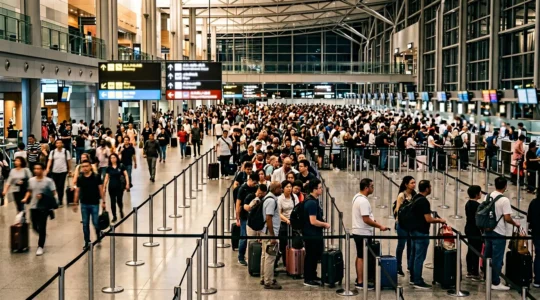
How Long Is Your Booking Valid If Customs at Gatwick Takes 2 Hours?
Facing a long customs queue after an international flight creates a significant risk of incurring expensive chauffeur waiting fees. Grace periods are often insufficient for non-EU arrivals during peak times, leading to automatic charges. The key to avoiding fees lies…
Read more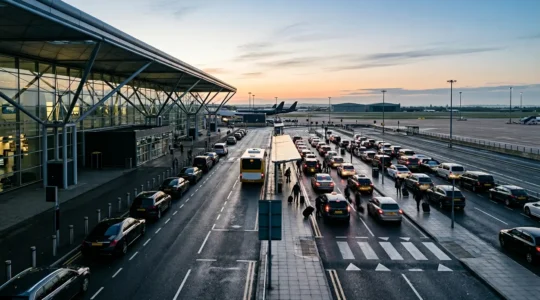
Pre-booking vs On-demand: Which Saves More Time at Stansted During Peak Hours?
For a critical Stansted Airport transfer, pre-booking a specialist service is systematically more reliable and often more cost-effective than relying on an on-demand app. On-demand app pricing is designed to surge by up to 2.5x during peak airport hours, eliminating…
Read more