Regulations & Safety
When arranging executive travel, the luxury of the vehicle is often the first consideration. However, the true foundation of a premium transport service lies invisibly in the background: stringent adherence to regulations and safety standards. Whether you are a corporate travel manager booking a fleet for a roadshow, or a private individual requiring a reliable transfer to the airport, understanding the legal framework protecting your journey is paramount.
The private hire sector, particularly in major hubs like London, is governed by complex rules designed to protect passengers, secure personal data, and ensure absolute safety on the road. From the precise level of background checks a chauffeur must pass, to the specific type of insurance required to cover a stolen laptop, these regulations separate professional operators from high-risk, non-compliant drivers.
This comprehensive resource explores the vital aspects of transport compliance. We will navigate the intricacies of airport logistics, dissect the crucial differences between direct driver bookings and licensed operators, and demystify the legalities of vehicle modifications and cross-border travel. By understanding these pillars of safety, you can make informed decisions and travel with complete peace of mind.
Navigating Airport Drop-Off Rules and Penalty Zones
Airports are heavily regulated environments where traffic flow and security are prioritised. In recent times, major UK airports have overhauled their access policies, introducing terminal charges and strict enforcement zones that can catch unprepared travellers and drivers off guard.
The Financial Impact of Terminal Charges
Accessing the immediate curbside at terminals is no longer a complimentary service at most major hubs. Facilities like Heathrow and Gatwick have implemented mandatory drop-off fees. These charges are enforced via Automatic Number Plate Recognition (ANPR) cameras. Attempting to bypass these fees or lingering too long can result in substantial penalties. Professional chauffeurs mitigate these issues by managing these charges proactively, often pre-paying the terminal fee through automated accounts to save precious minutes at the barrier and ensure a seamless passenger exit.
Avoiding the “RedRoute” Trap
Airports such as Stansted heavily police their perimeter roads with designated “RedRoutes”. These are strictly no-stopping zones. A common mistake made by inexperienced drivers or friends offering a lift is pulling over on these routes to quickly unload luggage or wait for a delayed flight. This error almost inevitably results in an immediate and hefty fine, often exceeding £100. Understanding whether a dedicated drop-off zone or a short-stay car park is more cost-effective for a ten-minute wait is a logistical skill that professional operators use to keep client costs transparent and avoid legal infractions.
Chauffeur Vetting and Passenger Security Standards
Your safety inside a vehicle is directly linked to the person behind the wheel. The regulatory standards for passenger transport mandate rigorous background checks, but the executive chauffeur industry often requires standards that go well beyond the legal minimum.
TfL Licensing and the Limits of a DBS Check
In London, Transport for London (TfL) sets the baseline for private hire operations. A standard requirement for any licensed driver is an enhanced Disclosure and Barring Service (DBS) check. However, while a DBS check highlights criminal history, it does not assess driving finesse, situational awareness, or the ability to handle high-profile clients discreetly. Top-tier operators implement their own supplementary screening processes, evaluating everything from advanced driving qualifications to non-disclosure agreement (NDA) compliance.
Identifying the “GhostDriver” Scam
One of the most severe risks in the unregulated transport market is the “GhostDriver” phenomenon. This occurs when a booking is made with a seemingly legitimate driver, but a different, unlicensed, and crucially, uninsured individual arrives to execute the journey. To protect yourself from this dangerous practice, always verify the driver’s credentials. According to TfL regulations, specific information must be visible to the passenger:
- The driver’s official TfL ID badge, worn visibly.
- The private hire vehicle (PHV) license roundel displayed on the front and rear windscreens.
- The driver’s face matching the photograph on the official documentation.
Vehicle Compliance and Legal Modifications
Executive vehicles are often modified for comfort and privacy, but these alterations must strictly adhere to national traffic laws. Non-compliant vehicles risk being impounded, which can abruptly halt your journey.
Window Tinting Laws in the UK
Privacy is a frequent request for VIP transport, leading to the use of tinted glass. However, the law is exceptionally clear regarding Visible Light Transmission (VLT). In the UK, the front windscreen must let at least 75% of light through, and the front side windows must allow 70%. Applying a heavy “LimoTint” to these front windows is entirely illegal, compromises the driver’s night vision, and will invalidate the vehicle’s insurance.
For the rear passenger windows, regulations are more relaxed, allowing for darker tints. Yet, operators must balance privacy with discretion. Ironically, an excessively dark, completely opaque vehicle can attract unwanted paparazzi attention by signalling the presence of a high-profile individual. Many premium fleets now prefer electronic blinds over permanent heavy tints, offering flexible privacy that complies fully with the law.
Vehicle Age and Maintenance Standards
To combat urban pollution and ensure modern safety standards, regulatory bodies enforce strict age limits on vehicles used for private hire. Older vehicles are routinely banned from fleets operating within city centres to comply with Ultra Low Emission Zone (ULEZ) standards. Furthermore, operators are legally obligated to maintain rigorous maintenance schedules. If you ever suspect a vehicle is unsafe, TfL provides direct channels for passengers to report dangerous vehicles, ensuring the fleet ecosystem remains secure.
Corporate Liability and Essential Insurance Coverage
Insurance is the invisible safety net of any journey. For corporate clients, verifying a transport provider’s insurance is not just an administrative task; it is a critical component of corporate risk management.
Public Liability vs. Vehicle Insurance
It is crucial to understand the distinction between standard vehicle insurance and comprehensive business coverage. Vehicle insurance covers the car in the event of a traffic collision. Public Liability Insurance, however, protects passengers against incidents that occur outside the direct act of driving—for example, if a chauffeur accidentally injures a client while handling heavy luggage, or if a passenger slips while entering the vehicle. For corporate contracts, demanding a minimum of £5 million in public liability cover is considered a non-negotiable industry standard to protect the company from vicarious liability claims.
The “Social,
DomesticandPleasure” Gap
A common pitfall with freelance drivers is operating under standard “Social,
DomesticandPleasure” (SDP) insurance policies. These policies explicitly exclude commercial transport. If a driver is involved in an accident while carrying a paying passenger under an SDP policy, the insurance is immediately voided. This means both the driver and the passenger are entirely uninsured. Professional chauffeurs must carry specific Hire and Reward insurance. Furthermore, clients travelling with expensive equipment must verify if the operator’s policy includes “GoodsinTransit” cover; otherwise, a £2000 laptop stolen from the car boot during a rest stop may not be compensated.
The Critical Role of the Licensed Operator
With the rise of ride-hailing apps and independent freelancers, the lines of responsibility can become blurred. Understanding the legal difference between booking a direct driver and using a licensed operator is vital for passenger security.
Accountability and Contingency Planning
A TfL Private Hire Operator License guarantees that the company has passed strict audits regarding their business practices. When you book directly with a freelance driver, you are relying on a single point of failure. If that driver falls ill hours before an airport transfer, your journey fails. Licensed operators, conversely, manage extensive fleets and are legally bound to fulfil the contract, providing an immediate replacement vehicle without disrupting your schedule.
Data Protection and GDPR Compliance
In the digital age, your travel itinerary is sensitive data. It reveals when your home is empty, where your corporate executives are meeting, and your personal contact details. Freelance drivers storing client details on unencrypted personal mobile phones pose a significant security risk. Licensed transport firms are required by law to adhere to strict General Data Protection Regulation (GDPR) standards, ensuring your data is stored securely, handled confidentially, and deleted when no longer necessary.
To ensure you are dealing with a reputable firm rather than a “fly-by-night” operation, consider these vetting steps:
- Search the company’s registration on the official Company House database.
- Verify their Operator License number directly on the TfL public register.
- Request a copy of their insurance certificates and GDPR policy before signing corporate contracts.
Cross-Border Transport and Customs Compliance
Travelling from London to European destinations like Paris or Brussels by road offers a seamless, door-to-door experience, often outpacing the train when considering total travel time. However, international borders introduce a complex layer of customs and passport regulations.
Post-Brexit Customs Realities
Following recent changes to international travel rules, crossing the Channel requires meticulous preparation. Passengers must ensure their passports meet the exact validity requirements for entering the Schengen Area. Furthermore, customs regulations have become significantly stricter regarding personal goods and food. The infamous regulation prohibiting the import of meat and dairy products into the EU means that a simple ham sandwich packed for the journey could be confiscated at Calais, potentially causing delays at the border.
Eurotunnel vs. Ferry Logistics
For VIP transport, speed and discretion are paramount. The Eurotunnel is generally the preferred method for executive travel due to its speed and the ability for passengers to remain entirely within the privacy of the vehicle during the crossing. Regardless of the method, the chauffeur must carry specific international documentation, replacing the outdated “GreenCard” system with modern, compliant European insurance cover, ensuring the vehicle remains fully insured on both sides of the Channel.
Ultimately, navigating the landscape of transport regulations requires expertise and vigilance. By choosing a licensed, fully insured, and vetted chauffeur service, you do more than just book a luxury ride; you invest in an invisible shield of safety, compliance, and absolute reliability.
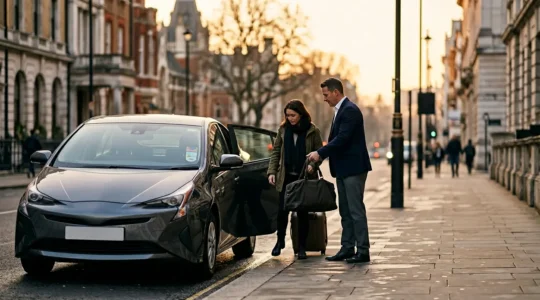
How Do TfL’s Hidden Rules Keep You Safe on Every London Journey?
Your safety in a London private hire vehicle goes far beyond the driver’s ID badge; it’s a multi-layered ecosystem of regulations designed to prevent incidents before they happen. Vehicle age limits and mandatory modern safety features directly reduce the risk…
Read more
Why a Licensed Operator Is a Non-Negotiable Requirement for Corporate Transport
Engaging a freelance driver directly is a critical failure in corporate due diligence, exposing the company to unacceptable levels of operational, legal, and financial liability. A licensed operator provides a verifiable chain of accountability, structural redundancy, and mandated insurance coverage…
Read more
London to Paris by Car: A Legal Guide to Seamless Post-Brexit Chauffeur Travel
The biggest risk in a post-Brexit London to Paris car journey isn’t traffic, but legal non-compliance. Personal car insurance is invalid for paid transport; only commercial ‘Hire and Reward’ with European cover is legal. Simple food items like meat or…
Read more
Is Tinted Glass Essential for High-Profile Transport in City Centres?
The biggest mistake in VIP transport is believing darker tint equals better security; in reality, it often increases risk by creating a high-value target. Legal limits and the ‘Chameleon Effect’ make blackout tints impractical and unreliable for true confidentiality. True…
Read more
What Screening Checks Do Top London Chauffeurs Pass Before Driving You?
True executive safety is not defined by the vehicle’s luxury, but by the verifiable, multi-layered accountability of the licensed operator behind the driver. A standard DBS criminal record check is a mandatory baseline, but it is insufficient for guaranteeing executive-level…
Read more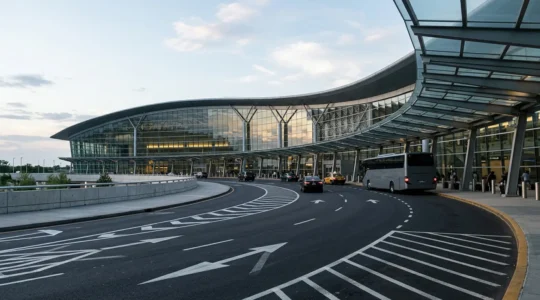
Is Curbside Pickup Still Possible with New Drop-Off Charges at Heathrow?
The new airport drop-off charges are more than just a fee; they are part of a complex, automated system where a simple mistake can lead to a hefty fine. Drop-off zones are for immediate, zero-wait stops only; lingering for even…
Read more